As we mark International Migrants Day, we share how PI and our partners have advocated for the rights of migrants by safeguarding their privacy and protecting their data.
Privacy International presents how the use of social media monitoring by governments and companies is an increasingly prevalent one, and as this article explores, largely unregulated.
After a consultation held in 2021 to which Privacy International responded, the government has now decided not to expand the powers of its "National Fraud Initiative". However, recent changes in the UK welfare landscape point to troubling plans for the future.
In a case that found seizing and extracting data from migrants' mobile phones breached their fundamental right to privacy, UK courts breathe some life into the human rights principle of access to remedy.
Privacy International ("PI") researched a number of social safety-net projects financed by the World Bank during the COVID-19 pandemic. To inform the World Bank's future implementation of these kinds of projects, this article reflects on how certain aspects of social protection projects can inadvertently lead to excessive surveillance of marginalised communities, impact equal access to urgent social protection disbursements, and interfere with people's dignity and right to privacy.
Privacy International has made a submission to the Independent Chief Inspector of Borders and Immigration inspection of the Home Office Satellite Tracking Service Programme. We highlighted some of our concerns about the intrusive nature of location data as well as systemic failures relating to the quality of tags and battery life of devices which have a significant impact on individuals, as battery depletion can result in criminal prosecution.
This is a real life testimony of a UK private hire driver who was employed by Uber. It explores the issues that gig economy workers face as a result of algorithmic management used by their employers.
This real life testimony of a UK private hire driver who was employed by Uber. It explores the issues that gig economy workers face as a result of algorithmic management and surveillance utilised by their employers.
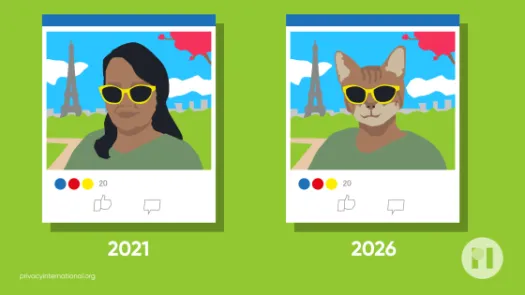
Following PI’s submissions before the UK Information Commissioner’s Office (ICO), as well as other European regulators, the ICO has announced its provisional intent to fine facial recognition company Clearview AI. But this is more than just a regulatory action.
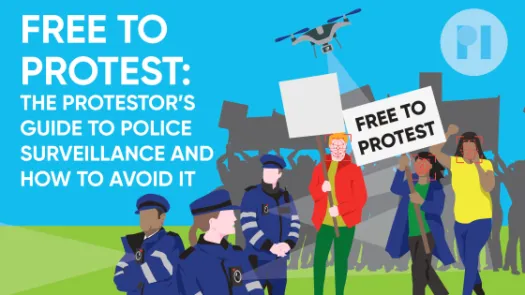
‘Free to Protest: The protestor’s guide to police surveillance and how to avoid it’ (UK edition) is a collection of bite-sized guides about high-tech police surveillance capabilities at protests, including tips and strategies about how you can protect yourself from being identified, tracked and
This article was written by Jamila Venturini from Derechos Digitales. The original version (in Spanish) is available here. While at the international level there is a growing demand to ban the use of surveillance technologies until rigorous human rights standards are achieved, in Latin America we
If you've never made a website, you might have not heard of AddThis or ShareThis, but chances are you've encountered them. These services offer the "share" buttons that easily integrates into websites. However, this feature is also used by these companies to track visitors across the web.