
Search

Content type: News & Analysis
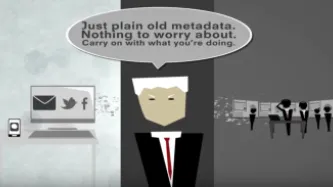
Photo credit: Screenshot from video produced by ICRC, ‘What are metadata’, accessible here.
“The platform [Facebook] does not intentionally cause harm to users. Too often, however, Facebook’s business model allows harm to occur.”
The Editorial Board, The Financial Times, 2 December 2018
Imagine if a recipient of humanitarian aid was prevented from accessing a loan because they were deemed ‘uncreditworthy’ for receiving assistance? Or if a refugee was denied asylum…
Content type: News & Analysis
Why is a privacy organisation working with the humanitarian sector, and why does it matter? We may seem like strange bedfellows, but today's ever-growing digital world means that, more and more, people who receive humanitarian assistance are being exposed to unexpected threats.
According to the 2018 Global Humanitarian Overview, there are more than 134 million people across the world in need humanitarian assistance. Of these, about 90.1 million will receive aid of some form. It is…
Content type: Press release
Key Points
A new report by Privacy International and the International Committee of the Red Cross finds that the humanitarian sector’s use of digital and mobile technologies could have detrimental effects for people receiving humanitarian aid.
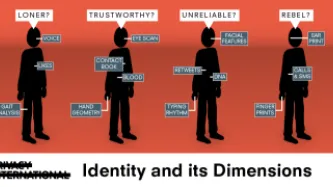
This is because these digital systems generate a ‘data trail’ that is accessible and exploitable by third parties for non-humanitarian purposes. This metadata can be used to infer extremely intimate details, such as someone’s travel patterns or…
Content type: Long Read
The Sustainable Development Goals (SDGs) are the United Nations-led initiative to define the development agenda. Building on the eight Millennium Development Goals, the SDG’s 17 goals – and the 169 targets – serve as an opportunity to tackle many of the most pressing issues in the world today. The SDGs are also explicitly grounded in human rights. Goal 16 on “peace, justice, and sustainable institutions” aims to “Promote peaceful and inclusive societies for sustainable development, provide…
Content type: Impact Case Study
What happenedUnder pressure to be more accountable for their use of resources, but also due to the post-9/11 push to track and identify terrorists across the world, the humanitarian and development sectors began increasingly to look to identity registration, including biometrics, and the collection and sharing of vast amounts of data on their beneficiaries. Development funding was supporting the deployment of ID systems, and both sectors were enthralled with ‘big data’ initiatives, all…
Content type: Impact Case Study
What happenedSince the late 1980s governments across the world have been trying to build identity registries. By the early 1990s, there were similar policies being pursued by a number of governments across the Pacific region, with similar technologies from the same companies. In the mid-90s ID cards became a ‘modern’ policy, implementing smart cards. By 9/11 biometric IDs became the preferred solution to undefinable problems. Then came vast databases of biometrics to identify people — with…