
Search

Content type: News & Analysis
*Photo by Michelle Ding on Unsplash
Pat Finucane was killed in Belfast in 1989. As he and his family ate Sunday dinner, loyalist paramilitaries broke in and shot Pat, a high profile solicitor, in front of his wife and children.
The Report of the Patrick Finucane Review in 2012 expressed “significant doubt as to whether Patrick Finucane would have been murdered by the UDA [Ulster Defence Association] had it not been for the different strands of involvement by the…

Content type: Long Read
Miguel Morachimo, Executive Director of Hiperderecho. Hiperderecho is a non-profit Peruvian organisation dedicated to facilitating public understanding and promoting respect for rights and freedoms in digital environments.The original version of this article was published in Spanish on Hiperderecho's website.Where does our feeling of insecurity come from? As we walk around our cities, we are being observed by security cameras most of the time. Our daily movement, call logs, and internet…

Content type: Long Read
*Photo by Kristina Flour on Unsplash
The British government needs to provide assurances that MI5’s secret policy does not authorise people to commit serious human rights violations or cover up of such crimes
Privacy International, along Reprieve, the Committee on the Administration of Justice, and the Pat Finucane Centre, is challenging the secret policy of MI5 to authorise or enable its so called “agents” (not MI5 officials) to commit crimes here in the UK.
So far we have discovered…
Content type: Long Read
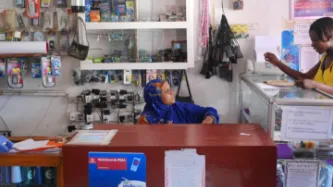
Image credit: Emil Sjöblom [ShareAlike 2.0 Generic (CC BY-SA 2.0)]
Prepaid SIM card use and mandatory SIM card registration laws are especially widespread in countries in Africa: these two factors can allow for a more pervasive system of mass surveillance of people who can access prepaid SIM cards, as well as exclusion from important civic spaces, social networks, and education and health care for people who cannot.
Mandatory SIM card registration laws require that people provide personal…
Content type: Advocacy
During its 98th session, from 23 April to 10 May 2019, the UN Committee on the Elimination of Racial Discrimination (CERD) initiated the drafting process of general recommendation n° 36 on preventing and combatting racial profiling.
As part of this process, CERD invited stakeholders, including States, UN and regional human rights mechanisms, UN organisations or specialised agencies, National Human Rights Institutions, Non-Governmental Organisations (NGOs), research…

Content type: Long Read
Imagine that every time you want to attend a march, religious event, political meeting, protest, or public rally, you must share deeply personal information with police and intelligence agencies, even when they have no reason to suspect you of wrongdoing.
First, you need to go to the police to register; have your photo taken for a biometric database; share the contacts of your family, friends, and colleagues; disclose your finances, health records, lifestyle choices, relationship status, and…