
Search
Content type: Long Read
Image credit: Emil Sjöblom [ShareAlike 2.0 Generic (CC BY-SA 2.0)]
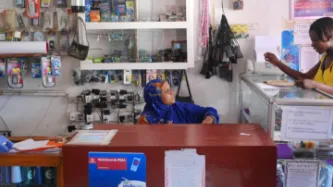
Prepaid SIM card use and mandatory SIM card registration laws are especially widespread in countries in Africa: these two factors can allow for a more pervasive system of mass surveillance of people who can access prepaid SIM cards, as well as exclusion from important civic spaces, social networks, and education and health care for people who cannot.
Mandatory SIM card registration laws require that people provide personal…

Content type: Report
Like many others, PI were alarmed at recent reports that Facebook have been making mobile phone numbers (which users believed to be) provided for the express purpose of "two-factor authentication" (2FA) both searchable, and a target for advertising by default.
One of the myriad ways Facebook displays targeted adverts to users is through so-called "Custom Audiences". These "custom audiences" are lists of contact details, including phone numbers and email addresses, uploaded by advertisers.…

Content type: Advocacy
Privacy International has today sent letters to leading social media platforms to ask what they're doing to protect their users' from dangerous surveillance by government immigration authorities.
The letter comes following the implementation of plans by US authorities to require nearly all visa applicants to hand over identifiers of all social media accounts they have used in the previous five years, or face “serious immigration consequences”.
The move not only represents…

Content type: Case Study
Photo by Roger H. Goun
Chloe is an investigative journalist working for an international broadcast service; we will call the TV show she works for The Inquirer. She travels around the world to work with local journalists on uncovering stories that make the headlines: from human trafficking to drug cartels and government corruption. While her documentaries are watched by many and inspire change in the countries she works in, you would not know who Chloe is if we were to tell you her real name.…

Content type: Long Read
Imagine that every time you want to attend a march, religious event, political meeting, protest, or public rally, you must share deeply personal information with police and intelligence agencies, even when they have no reason to suspect you of wrongdoing.
First, you need to go to the police to register; have your photo taken for a biometric database; share the contacts of your family, friends, and colleagues; disclose your finances, health records, lifestyle choices, relationship status, and…
Content type: News & Analysis
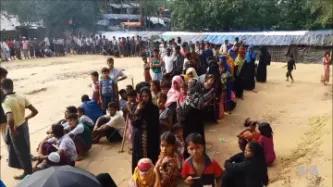
According to the International Organization for Migration, an estimated 258 million people are international migrants – that is, someone who changes their country of usual residence, That’s one in every 30 people on earth.
These unprecedented movements levels show no sign of slowing down. It is predicted that by 2050, there will be 450 million migrants across the world.
Nowadays, it is politically acceptable to demonise migrants, and countless leaders have spewed divisive and xenophobic…

Content type: News & Analysis
Planning and participating in peaceful protests against governments or non-state actors’ policies and practices requires the capacity of individuals to communicate confidentially without unlawful interference. From protests in support of LGBTI rights to protests against specific projects that undermine local communities’ wellbeing, these movements would not have been possible without the ability to exchange ideas and develop plans in private spaces.
Unlawful interference with…

Content type: Long Read
The Privacy International Network is celebrating Data Privacy Week, where we’ll be talking about how trends in surveillance and data exploitation are increasingly affecting our right to privacy. Join the conversation on Twitter using #dataprivacyweek.
It is no mystery that data exploitation is part of most consumer-oriented tech companies’ business models. A big part of our lives is recorded and exploited, from our web searches, to our personal communications, location, and our shopping habits…