
Search
Content type: Advocacy
Privacy International had suggested the Human Rights Committee consider the following recommendations for the UK government:Review and reform the IPA 2016 to ensure its compliance with Article 17 of the ICCPR, including by removing the powers of bulk surveillance;Abandon efforts to undermine the limited safeguards of the IPA 2016 through the proposed Investigatory Powers Amendment Bill;Refrain from taking any measures that undermine or limit the availability of encrypted communications or other…

Content type: News & Analysis
A new report by the UN Working Group on mercenaries analyses the impact of the use of private military and security services in immigration and border management on the rights of migrants, and highlights the responsibilities of private actors in human rights abuses as well as lack of oversight and, ultimately, of accountability of the system.
Governments worldwide have prioritised an approach to immigration that criminalises the act of migration and focuses on security.
Today, borders are not…

Content type: Explainer
In the name of reinforcing migration control and increasing security, the EU is introducing a host of new surveillance measures aimed at short-term visitors to the Schengen area. New tools and technologies being introduced as part of the visa application process and the incoming “travel authorisation” requirement include automated profiling systems, a ‘pre-crime’ watchlist, and the automated cross-checking of numerous national, European and international databases. There are significant risks…

Content type: Long Read
Over the last two decades we have seen an array of digital technologies being deployed in the context of border controls and immigration enforcement, with surveillance practices and data-driven immigration policies routinely leading to discriminatory treatment of people and undermining peoples’ dignity.And yet this is happening with little public scrutiny, often in a regulatory or legal void and without understanding and consideration to the impact on migrant communities at the border and…
Content type: News & Analysis
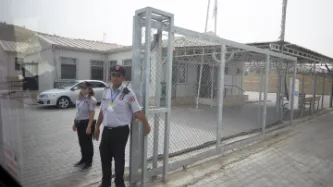
Photo: The European Union
“Border Externalisation”, the transfer of border controls to foreign countries, has in the last few years become the main instrument through which the European Union seeks to stop migratory flows to Europe. Similar to the strategy being implemented under Trump’s administration, it relies on utilising modern technology, training, and equipping authorities in third countries to export the border far beyond its shores.
It is enabled by the adoption…
Content type: Examples
In November 2018, 112 civil liberties, immigrant rights groups, child welfare advocates, and privacy activists wrote a letter to the heads of the US Department of Health and Human Services and the Department of Homeland Security demanding an immediate halt to the HHS Office for Refugee Resettlement's practice of using information given them by detained migrant children to arrest and deport their US-based relatives and other sponsors. The policy began in April 2018, and the result has been that…