
Search
Content type: Long Read
As calls for a ‘secure southern border’ are amplified in the US by politicians and pundits, Silicon Valley techies are coming out in force to proffer swanky digital solutions in the place of 30-foot steel slats or concrete blocks.
One such company is Anduril Industries, named after a sword in Lord of the Rings, which represents a symbol of hidden power.
Over recent months, Anduril Industries frontman Palmer Luckey has been making the PR rounds to promote his company’s version of a border wall…
Content type: Long Read
Update 28 June 2018
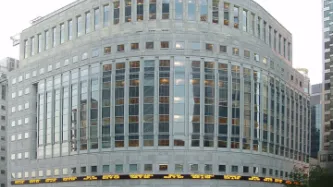
Last week Privacy International wrote to Thomson Reuters Corporation asking the company to commit to ensuring the vast amounts of data they provide to US immigration agencies isn’t used to identify families for indefinite detention or separation, or for other human rights abuses.
Thomson Reuters has unfortunately ignored our specific questions and made no such commitment.
Instead, the CEO Thomson Reuters Special Services (TRSS) a subsidiary, makes clear that instead of…
Content type: Impact Case Study
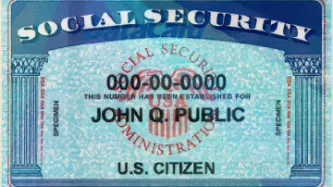
What happenedSince the late 1980s governments across the world have been trying to build identity registries. By the early 1990s, there were similar policies being pursued by a number of governments across the Pacific region, with similar technologies from the same companies. In the mid-90s ID cards became a ‘modern’ policy, implementing smart cards. By 9/11 biometric IDs became the preferred solution to undefinable problems. Then came vast databases of biometrics to identify people — with…

Content type: Explainer
What is SOCMINT?
Social media intelligence (SOCMINT) refers to the techniques and technologies that allow companies or governments to monitor social media networking sites (SNSs), such as Facebook or Twitter.
SOCMINT includes monitoring of content, such as messages or images posted, and other data, which is generated when someone uses a social media networking site. This information involves person-to-person, person-to-group, group-to-group, and includes interactions that are private and…

Content type: News & Analysis
Political activist and university lecturer Tadesse Kersmo believed that he was free from intrusive surveillance when he was granted political asylum in the UK. Instead, he was likely subject to more surveillance than ever. His case underlines the borderless nature of advanced surveillance technologies and why it represents such a massive problem.
In the past, those fleeing conflict or persecution could reasonably expect a degree of respite if they managed to escape their circumstances.…