Mapping Facial Recognition in Schools
PI’s new map gathers years of research into one place, logging real examples of facial recognition in schools worldwide.
Cases range from Karnataka’s face-scan attendance tied to free meals to Texas entryways, a New York ban and hidden cameras in Serbia.
Children can’t meaningfully consent to surveillance, bias and weak safeguards persist, and constant monitoring erodes trust
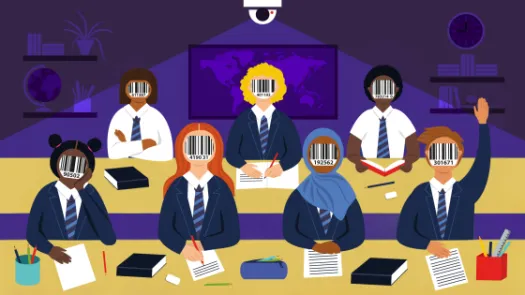
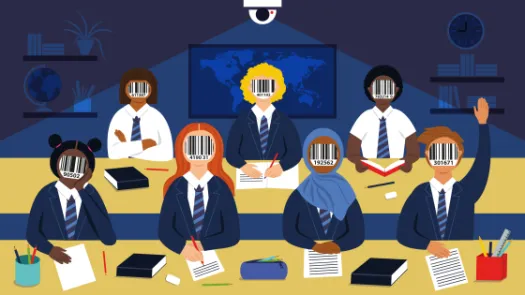
Facial recognition has been steadily spreading into classrooms. It takes attendance, monitors lunch queues, gauges pupil “engagement” and controls who gets through the school gates.
Its use turns schools into “high-security” environments, which is at odds with the personal and academic development schools exist to support. Some countries, such as those in the EU, have pushed back against some of these uses. For others, there is little legal framework, and no systematic global record of where the technology is being rolled out.
So we built a map.
[Embed or link to the map here]
What the map is
For years, Privacy International has been tracking the use of EdTech, including facial recognition, in schools worldwide.
The map brings that research together in one place, logging real examples: named schools, vendors, incidents and regulatory actions.
What we’ve found so far
In India, Karnataka’s planned facial recognition attendance system is expected to cover more than 52,000 schools and is linked to a database that verifies recipients of the free midday meal scheme, so a child’s lunch becomes conditional on a face scan.
In the United States, a school district in Texas has installed facial recognition across 32 entryways, while New York State has banned schools from using the technology altogether.
In Serbia, investigators uncovered facial-recognition-capable cameras in schools only by digging through procurement data, while reports from China and Russia point to its use in nearly 1,000 schools and more than 60 institutions respectively.
In many places, this technology arrives without public debate, and families often learn about it only after it is installed.
Why it matters
In November 2024, the UN Special Rapporteur on the right to education recommended that states ban facial recognition from educational institutions. The recommendation followed our submission, and the report urged states to refrain from surveilling students and staff – both physically and online.
There are several reasons schools are such a poor setting for this technology:
- Children generally cannot legally consent for themselves, and the power imbalance between a school and its pupils undermines any real choice for them or their parents. Teachers can also be pressured into accepting the technology, and being surveilled by it, for fear of losing their jobs.
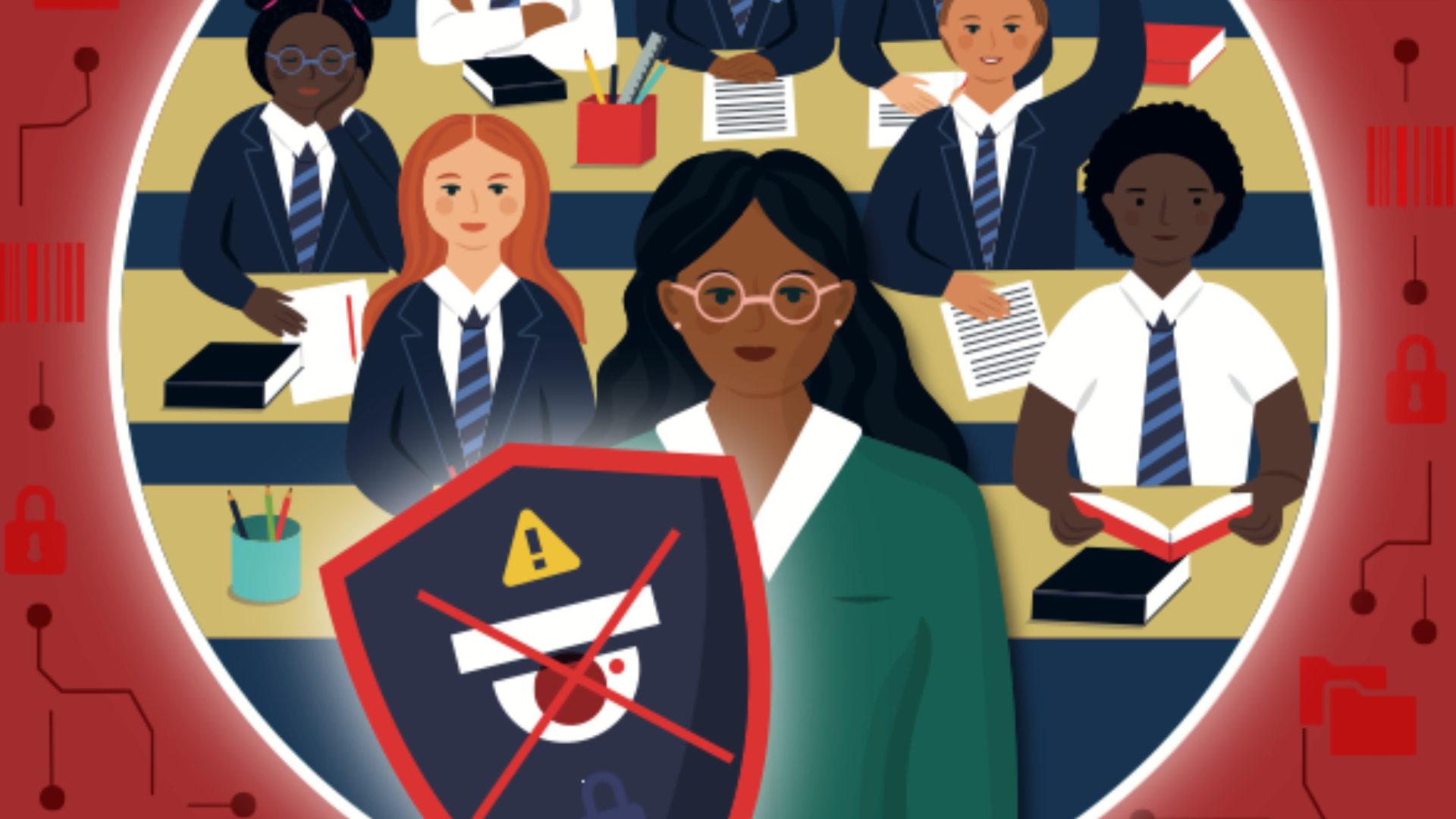
- Facial recognition in education risks perpetuating bias and discrimination, and it routinely lacks adequate data protection safeguards.
- Teaching and learning depend on trust between pupils and staff. Constant monitoring undermines that, so surveillance not only invades privacy but works against the very purpose of school.
Help us fill in the gaps
The map is still growing, and we need your help. If you know where facial recognition is being used in schools or universities in your country, please fill in this form.
Every example you send helps us show how widespread this is and build the case for stronger protections for students and teachers across the globe.
EdTech
here EdTech is understood as any technology that could be used in an educational environment — such as for teaching, behavior management, surveillance, school administration, etc. — as long as it involves processing children’s data.