
Search Taxonomy Terms

Privacy International intervened in a landmark case brought in the UK courts by asylum seekers against mobile phone seizures and data extraction. Judgment was handed down on 25 March 2022. The High Court found that the secret and blanket policy of the UK Home Office to seize and search migrants' phones breached Article 8 ECHR and data protection laws.
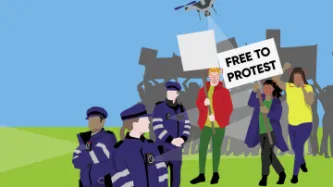
We all need to understand the range of surveillance tools that police forces around the world can use to monitor and identify you if you attend a protest, and how you can better protect yourself from protest surveillance. Our partners and us have devised guides to educate people on the surveillance capacities police forces across the globe can use.

PI, together with Article19 and EFF intervened to outline how unrestricted surveillance of communications data interferences with the right to privacy and threatens freedom of expression.

In March 2021 Privacy International intervened in a case in the European Court of Human Rights which challenges the use of social media intelligence by governmental agencies.

The Home Office is currently developing a UK-wide police 'super-database' containing a vast amount of data, which mixes both evidential and intelligence material. Here is why PI is concerned about LEDS and what we are doing about it.

Your personal data could be used to target you with information and adverts to an unprecedented degree of personalisation.

Governments are secretly collaborating with private companies. Here is why PI is concerned about surveillance outsourcing, and why together we urgently must expose them.

Drones surveillance enables widespread and systematic monitoring and collection of detailed data of individuals’ activities and movements, posing a serious threat to personal privacy and associated freedoms.

Democratic engagement is increasingly mediated by digital technology, from campaigning to election results transmission. These technologies rely on collecting, storing, and analysing personal information to operate. They raise novel issues and challenges for all electoral stakeholders on how to protect our data from exploitation.

Investigating brands using Facebook for advertising, exposing how difficult it is to understand how our data's used and demanding Facebook make it easier to exercise our rights