In the United States, while everyone is surveilled not every is equal when it comes to surveillance. Factors including poverty, race, religion, ethnicity, and immigration status will affect how much you end up being surveilled. T his reality has a punitive effect on poor people and their families
Virginia Eubanks explains what we can draw from understanding the experience of surveillance of marginalised groups: it is a civil rights issue, technologies carry the bias of those who design them, people are resisting and why we need to move away from the privacy rights discourse. https://prospect
This article is an overview of some of the research documenting how people in vulnerable positions are the ones most affected by government surveillance. https://stateofopportunity.michiganradio.org/post/technology-opportunity-researcher-says-surveillance-separate-and-unequal Author: Kimberly
In August 2017, it was reported that a researcher scraped videos of transgender Youtubers documenting their transition process without informing them or asking their permission, as part of an attempt to train artificial intelligence facial recognition software to be able to identify transgender
Civic spaces where we are free to develop, protest and preserve our intergrity and autonomy are increasingly under threat as new surveillance technologies are radically transforming the ability of authorities to monitor them.
Protest movements throughout history have helped to shape the world we know today. From the suffragettes to the civil rights movement, and to contemporary movements such as those focusing on LGBTIQ+ rights, protests have become a vital way for many, who feel powerless otherwise, to have their voices
Earlier this month, Brunei attracted international condemnation for a new law that will make gay sex punishable by death . While this is clearly abhorrent, Brunei is not the only country with explicit anti-gay laws. Homosexuality is criminalised in over 70 countries around the world. And even in
According to the International Organization for Migration, an estimated 258 million people are international migrants – that is, someone who changes their country of usual residence, That’s one in every 30 people on earth. These unprecedented movements levels show no sign of slowing down. It is
The “easy fix” of ending of online anonymity to protect people's speech forgets that anonymity is a key condition for many people in expressing themselves online.
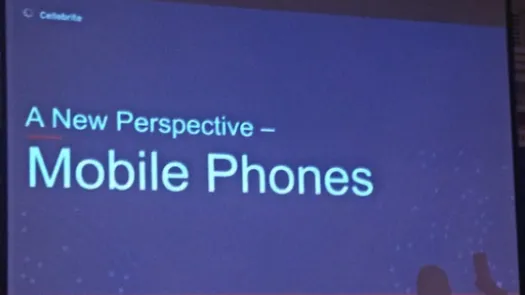
Cellebrite, a surveillance firm marketing itself as the “global leader in digital intelligence”, is marketing its digital extraction devices at a new target: authorities interrogating people seeking asylum. Israel-based Cellebrite, a subsidiary of Japan’s Sun Corporation, markets forensic tools
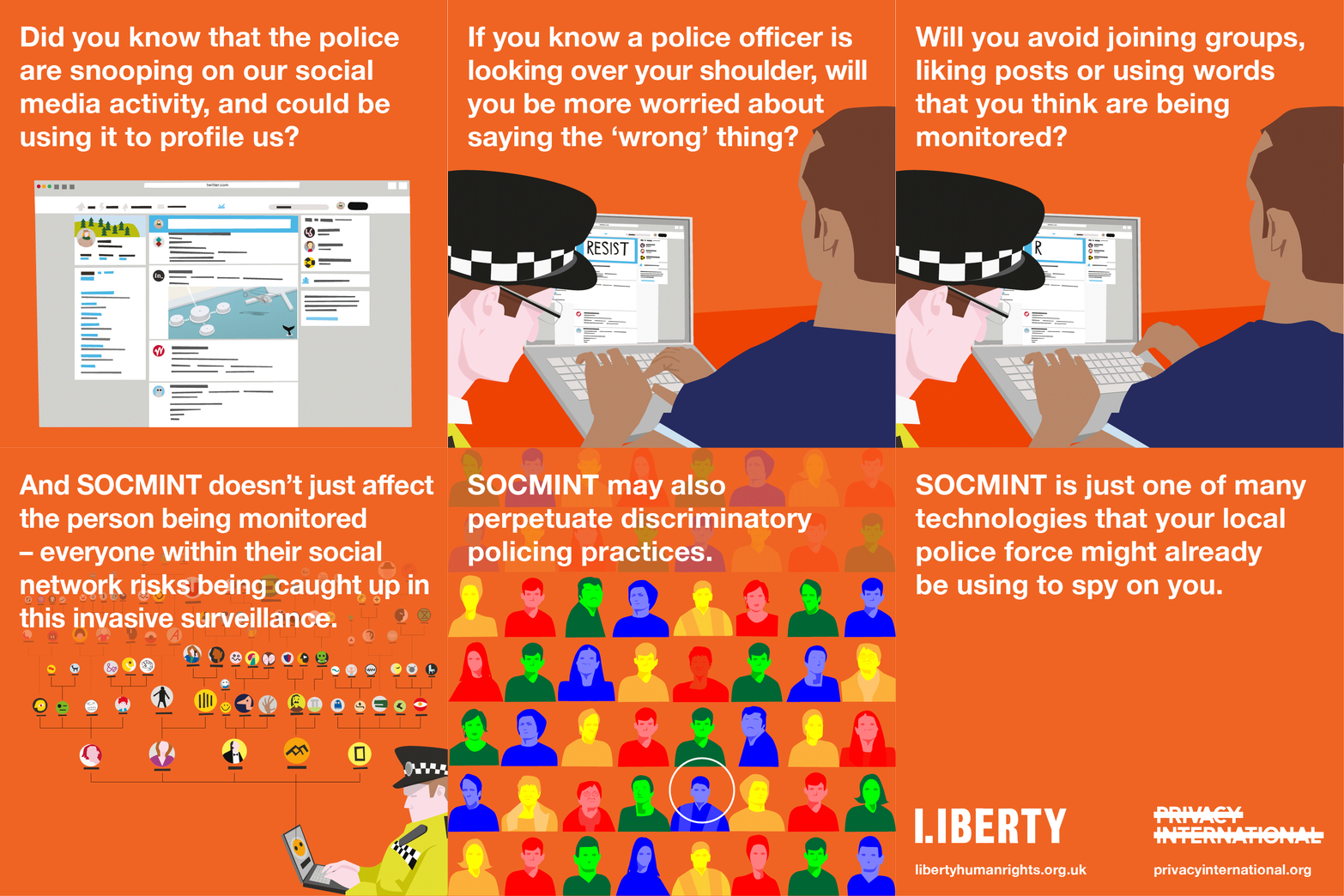
Planning and participating in peaceful protests against governments or non-state actors’ policies and practices requires the capacity of individuals to communicate confidentially without unlawful interference. Surveillance technologies are affecting the right to peaceful assembly in new and often unregulated ways: in this article we focus on three technologies and practices deployed by public authorities in monitoring assemblies that raise particular concerns: IMSI catchers, facial recognition, and Social Media Intelligence (SOCMINT).
Privacy International's submission to the Human Rights Committee on a future General Comment on Article 21 of the International Covenant on Civil and Political Rights (ICCPR). In this submission, Privacy International aims to provide the Committee with information on how surveillance technologies
6 March 2019 Privacy International (PI) has written Facebook to express our concern and request urgent answers regarding its policy on the sharing of mobile phone numbers of its users. Alarmingly, recent reports say that some of the phone numbers provided by users for the express purpose of two
In July 2018, Facebook announced it was investigating whether the Boston-based company Crimson Hexagon had violated the company's policies on surveillance. Crimson Hexagon markets itself as offering "consumer insights". Its customers include a Russian non-profit with ties to the Kremlin, and