Protecting Civic Spaces

News & Analysis

It is imperative that there is honesty as to the capabilities of extraction devices and clarity on what is taking place at a technical level.

Advocacy
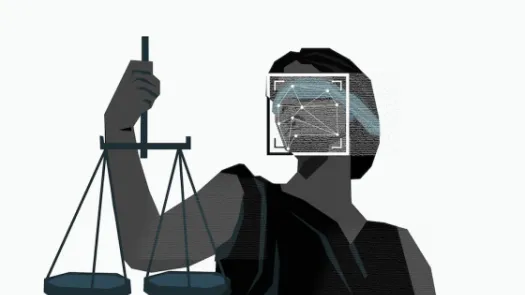
On November 1, 2019, we submitted evidence to an inquiry carried out by the Scottish Parliament into the use of Facial Recognition Technology (FRT) for policing purposes. In our submissions, we noted that the rapid advances in the field of artificial intelligence and machine learning, and the
Long Read
Police officers who operate mobile phone extraction technologies often have little or no forensic training and are increasingly reliant on devices whose capabilities they do not understand, particularly as budgets are cut and the volume of data they have to cope with increases.
News & Analysis
Today, the High Court of South Africa in Pretoria in a historic decision declared that bulk interception by the South African National Communications Centre is unlawful and invalid. The judgment is a powerful rejection of years of secret and unchecked surveillance by South African authorities
Report
“...a mobile device is now a huge repository of sensitive data, which could provide a wealth of information about its owner. This has in turn led to the evolution of mobile device forensics, a branch of digital forensics, which deals with retrieving data from a mobile device.” The situation in
Long Read
It is common ground that bulk collection of content would be a deprivation of the right to privacy. That is an inexcusable or unjustifiable step too far. Repeatedly the Government whether in litigation or legislating, has emphasised that they are not taking content in bulk. Content is the forbidden
Long Read

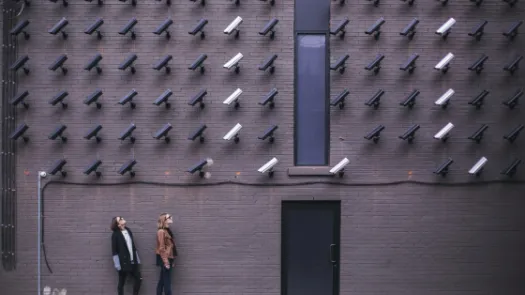
Civic spaces where we are free to develop, protest and preserve our intergrity and autonomy are increasingly under threat as new surveillance technologies are radically transforming the ability of authorities to monitor them.