Kathryn Conrad / https://betterimagesofai.org / https://creativecommons.org/licenses/by/4.0/

A look into how migrants are being tracked through an expanding global surveillance ecosystem and what this means for privacy, fundamental rights, and access to protection.
Kathryn Conrad / https://betterimagesofai.org / https://creativecommons.org/licenses/by/4.0/
Governments around the world are building increasingly sophisticated surveillance infrastructures to monitor migrants, asylum seekers and refugees at borders and within countries.
Technologies ranging from GPS tracking and social media monitoring to facial recognition, biometric databases and artificial intelligence are being deployed in the name of border security and immigration control.
Yet their use often comes at the expense of fundamental rights, including privacy, freedom of movement, freedom of expression, due process and access to protection.
Based on a global survey of immigration lawyers, advocates and organisers, Privacy International's guide, “Watch Your Step: A Guide to the Technologies Harming Migrants” examines the growing role of these technologies in migration governance and the risks they pose to people already in a vulnerable position.
Drawing on experiences reported by practitioners across multiple regions, the guide maps a broad range of surveillance technologies currently used in migration contexts. These include:
- mobile phone extraction tools capable of accessing intimate personal data
- drones and thermal cameras used to monitor border crossings
- facial recognition and biometric systems that identify and track individuals
- social media intelligence tools that analyse online activity
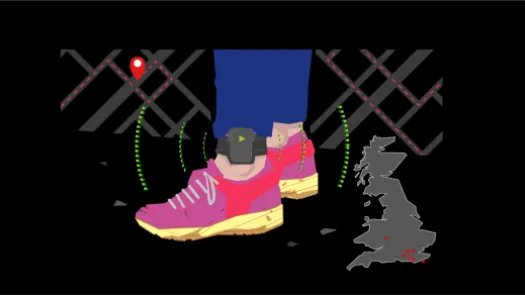
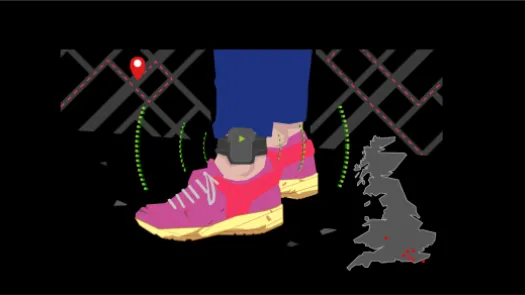
- GPS tagging and digital tracking devices
- algorithmic and automated decision-making systems
- IMSI catchers that intercept mobile communications
- language recognition software
- age assessment methods such as bone and dental scanning.
Migration surveillance is no longer limited to border checkpoints or immigration detention facilities, and with the continued investment in artificial intelligence, biometric systems and other emerging technologies it is becoming a pervasive, interconnected system that follows people throughout their journeys and long after arrival.
This expanding ecosystem raises vital questions about oversight, accountability and the commercial incentives shaping migration policies, ones which risk violating the privacy of the vulnerable and the fundamental rights to dignity, freedom of movement, freedom of expression and due process that should be afforded to all people - regardless of their immigration status.
Ultimately, understanding how these technologies operate and the harms they can enable is an essential first step towards ensuring that innovation is not used to entrench surveillance, discrimination and exclusion.