
Search

Content type: News & Analysis
As Amnesty International and Forbidden Stories continue to publish crucial information about the potential targets of NSO Group’s spyware, we know this much already: something needs to be done.
But what exactly needs to be done is less obvious. Even though this is not the first time that the world has learned about major abuses by the surveillance industry (indeed, it’s not even the first time this month), it’s difficult to know what needs to change.
So how can the proliferation and use of…
Content type: News & Analysis
Photo by Francesco Bellina
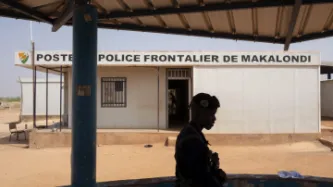
The wars on terror and migration have seen international funders sponsoring numerous border control missions across the Sahel region of Africa. Many of these rely on funds supposed to be reserved for development aid and lack vital transparency safeguards. In the first of a series, freelance journalist Giacomo Zandonini sets the scene from Niger.
Surrounded by a straw-yellow stretch of sand, the immense base of the border control mobile company of Maradi, in southern…

Content type: Impact Case Study
What is the problem
For over two decades we have been documenting an alarming use and spread of surveillance. It is no longer just the wars on terror or drugs or migration that is driving this trend. The management of health crises and distribution of welfare regularly are among others being used to justify this turn to increasingly invasive forms of surveillance. From country to country we see the same ideas and the same profiteers expanding their reach.
When we first released our report on…
Content type: News & Analysis
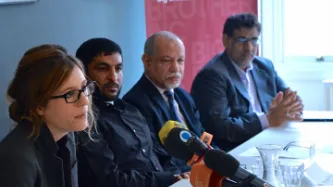
Jaafar Al Hasabi, Mohammed Moosa Abd-Ali Ali, and Saeed Al-Shehabi each fled Bahrain for the United Kingdom with one goal: to be safe.
These men, activists in the pro-democracy movement in Bahrain, were variously subject to torture, arbitrary detention, harassment, and psychological trauma in their home country. They thought coming to the UK, and living in exile, would at least mean they would be outside the reach of the Bahraini government.
Despite the nearly 4,000 miles between their homes…