
Search

Content type: Advocacy
In the wake of Privacy International’s (PI) campaign against the unfettered use of Facial Recognition Technology in the UK, MPs gave inadequate responses to concerns raised by members of the public about the roll-out of this pernicious mass-surveillance technology in public spaces. Their responses also sidestep calls on them to take action.The UK is sleepwalking towards the end of privacy in public. The spread of insidious Facial Recognition Technology (FRT) in public spaces across the country…

Content type: News & Analysis
As Amnesty International and Forbidden Stories continue to publish crucial information about the potential targets of NSO Group’s spyware, we know this much already: something needs to be done.
But what exactly needs to be done is less obvious. Even though this is not the first time that the world has learned about major abuses by the surveillance industry (indeed, it’s not even the first time this month), it’s difficult to know what needs to change.
So how can the proliferation and use of…
Content type: Long Read
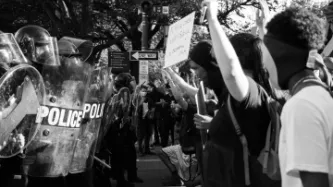
In December 2019, the Information Rights Tribunal issued two disappointing decisions refusing appeals brought by Privacy International (PI) against the UK Information Commissioner.
The appeals related to decisions by the Information Commissioner (IC), who is responsible for the UK’s Freedom of Information regime, concerning responses by the Police and Crime Commissioner for Warwickshire and the Commissioner of Police for the Metropolis (The Metropolitan Police) to PI’s freedom of information…

Content type: Explainer
We look at the recently published report on forensic science in the UK, highlight concerns about police not understanding new tech used to extract data from mobile phones; the risk of making incorrect inferences and the general lack of understanding about the capabilities of these tools.
The delivery of justice depends on the integrity and accuracy of evidence and trust that society has in it. So starts the damning report of the House of Lords Science and Technology Select…
Content type: Long Read
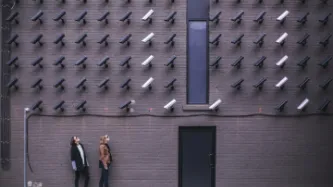
Imagine that every time you want to attend a march, religious event, political meeting, protest, or public rally, you must share deeply personal information with police and intelligence agencies, even when they have no reason to suspect you of wrongdoing.
First, you need to go to the police to register; have your photo taken for a biometric database; share the contacts of your family, friends, and colleagues; disclose your finances, health records, lifestyle choices, relationship status, and…

Content type: News & Analysis
“We always assume we are being watched. It is part of our understanding,” explained Father Alberto. The clergyman knows what it's like to live under surveillance. Father Alberto is Executive Secretary of the Inter-ecclesiastical Commission for Justice and Peace in Colombia, which supports displaced and conflict-affected communities in their struggle for justice. The CIJP also works in the restive Urabá region, where they document and litigate on the links between neo-paramilitary groups,…