
Search
Content type: News & Analysis
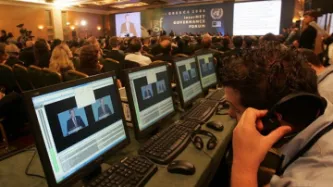
As anticipated, the Snowden revelations – first referred to in the opening session as the “elephant in the room” – soon became the central focus of many of the 150 workshops that took place during the 8th Internet Governance Forum (IGF) in Bali, and dominated the bilateral meetings that took place between governments, the private sector, the tech community, and civil society.
The various stakeholders arrived at the IGF ready to pursue their own agendas. The U.S. came to try and restore…
Content type: News & Analysis
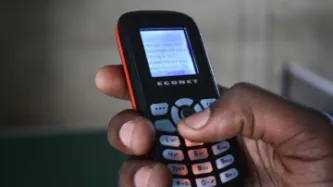
The Zimbabwean government extended its reach into the private lives of its citizens this week by promulgating a new law establishing a central database of information about all mobile telephone users in the country. The Statutory Instrument 142 of 2013 on Postal and Telecommunications (Subscriber Registration) Regulations 2013, gazetted last Friday, raises new challenges to the already embattled rights to privacy and free expression in Zimbabwe, increasing the potential that the…

Content type: News & Analysis
All across the U.S. on 4 July, thousands of Americans gathered at Restore the Fourth rallies, in support of restoring the Fourth Amendment of the U.S. Constitution and to protest the recently-disclosed information regarding NSA spying on American citizens. Demonstrations took place in over 100 cities, calling on the U.S. government to respect the privacy rights of citizens in America and individuals around the world.
With all this talk of constitutional …
Content type: News & Analysis
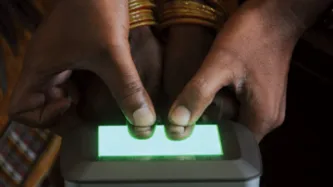
Below is an excerpt of an article that recently appeared on Slate, written by our partner Kevin Donovon, a researcher at the University of Cape Town, and Carly Nyst, Head of International Advocacy at Privacy International:
"Move over, mobile phones. There’s a new technological fix for poverty: biometric identification. Speaking at the World Bank on April 24, Nandan Nilekani, director of India’s universal identification scheme, promised that the project will be “transformational.” It “uses…

Content type: News & Analysis
One of the first things that strikes you about the chaotic East African metropolises of Kenya, Uganda and Zimbabwe is the blanket of adverts for mobile phone companies that covers them, from the walls of the immigration hall at Harare airport, to the rickety shacks that line the dusty streets of Kampala. Where official signage is unavailable, DIY versions are painted onto the roofs and walls of houses and small businesses. Stores selling mobile phones are rarely more than a few short steps away…

Content type: News & Analysis
PI spent the first half of February in Asia, visiting our regional partners and speaking at events. Our trip began in Delhi, where the Centre for Internet and Society (in collaboration with the Society in Action Group) had organized two consecutive privacy conferences – an invite-only conclave on Friday 3rd February and a free symposium open to the public on Saturday 4th February. The conclave consisted of two panels, the first focusing on the relationship between national security…