
Search
Content type: Long Read
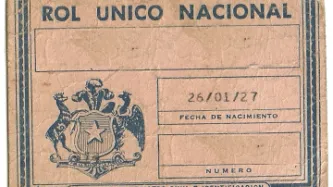
Photo credit: Francisco Javier Argel
Questions of identification and ID, with their associated privacy risks, are only increasing. There are multiple dimensions to understanding the impact of ID and identification; a key one is to understand how it can exclude. This is why Privacy International is conducting research to explore this important and underreported aspect.
Read our case studies: Carolina and Iliana.
In the identity discourse, identity is often closely linked to themes of “…
Content type: Long Read
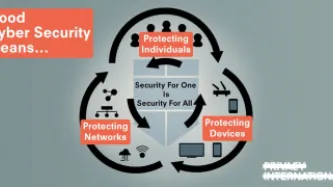
Since 2004, October has been designated National Cyber Security Awareness Month in the United States. Many other countries have followed suit, as part of the effort to raise awareness about the importance of cybersecurity, and how we can all work together to improve it.
However, cyber security (or sometimes, just ‘cyber’) has not only become a term with multiple and sometimes contradictory meanings - that go from digital security or digital diplomacy to criminal activities with a digital…

Content type: News & Analysis
Our intervention comes on the back of mounting evidence that the South African state’s surveillance powers have been abused, and so-called “checks & balances” in RICA have failed to protect citizens’ constitutional right to privacy.
Among our core arguments are:
That people have a right to be notified when their communications have been intercepted so that they can take action when they believe their privacy has been unlawfully breached. Currently RICA prevents such notification, unlike…

Content type: Advocacy
This photo originally appeared here.
For years, Privacy International and our partners in Kenya have been promoting the right to privacy in Kenya through research and investigations into government and private sector policies and practices and advocating for the adoption and enforcement of the strongest data protection and privacy safeguards.
The need for Kenya to adopt a comprehensive data protection framework (in addition to strengthening privacy protections in other legislation) has always…
Content type: News & Analysis
As the international cyber security debate searches for new direction, little attention is paid to what is going on in Africa. Stepping over the remains of the UN Group of Governmental Experts, and passing by the boardrooms of Microsoft struggling to deliver their Digital Geneva Convention, African nations are following their own individual paths.
Unfortunately, these paths increasingly prioritise intrusive state surveillance and criminalisation of legitimate expression online as…

Content type: Long Read
As we said before, Facebook and Cambridge Analytica scandals are a wake-up call for policy makers. And also a global issue. People around the world are concerned by the exploitation of their data. The current lack of transparency into how companies are using people’s data is unacceptable and needs to be addressed.
There is an entire hidden ecosystem of companies harvesting and sharing personal data. From credit scoring and insurance quotations to targeted political communication, this…
Content type: Long Read
To celebrate International Data Privacy Day (28 January), PI and its International Network have shared a full week of stories and research, exploring how countries are addressing data governance in light of innovations in technology and policy, and implications for the security and privacy of individuals.

Content type: News & Analysis
What we can achieve. What we are doing.
A week to discuss global privacy
Throughout these last days, in the context of the #dataprivacyweek, we have been talking about privacy from a global perspective, while showcasing the research done by Privacy International and the organisations who are part of its International Network.
The right to privacy is a particularly multifaceted human right, which manifests in diverse and nuanced ways. As we said when we set the tone for this week, privacy is…

Content type: Long Read
To celebrate Data Privacy Week, we spent the week discussing privacy and issues related to control, data protection, surveillance, and identity. Join the conversation on Twitter using #dataprivacyweek.
Do you live in a “smart city”? Chances are, you probably do (or at least your city claims to be). But do you know what exactly makes your city “smart”, beyond the marketing term? And what does this have to do with privacy?
Companies and governments will tell you that the more cameras, sensors…
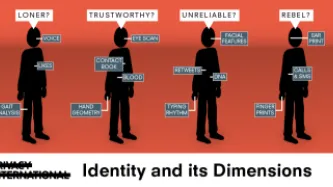
Content type: Long Read
To celebrate International Data Privacy Day (28 January), PI and its International Network have shared a full week of stories and research, exploring how countries are addressing data governance in light of innovations in technology and policy, and implications for the security and privacy of individuals.
According to the World Bank, identity “provides a foundation for other rights and gives a voice to the voiceless”. The UN Deputy Secretary-General has called it a tool for “advancing…
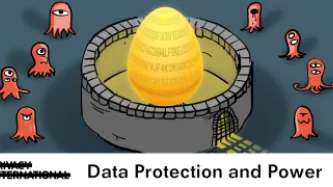
Content type: Long Read
To celebrate International Data Privacy Day (28 January), PI and its International Network have shared a full week of stories and research, exploring how countries are addressing data governance in light of innovations in technology and policy, and implications for the security and privacy of individuals.
At the core of data protection debates, there is a power play between empowering individuals to control their data and empowering those who use (or want to) use their data.
By…
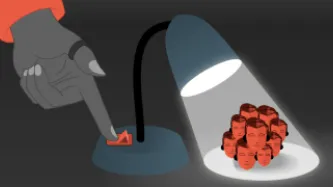
Content type: Long Read
Privacy International is celebrating Data Privacy Week, where we’ll be talking about privacy and issues related to control, data protection, surveillance and identity. Join the conversation on Twitter using #dataprivacyweek.
Exercising the right to privacy extends to the ability of accessing and controlling our data and information, the way it is being handled, by whom, and for what purpose. This right is particularly important when it comes to control of how States perform these activities.…
Content type: News & Analysis
It has been almost 40 years since the Council of Europe’s Convention 108 for the Protection of Individuals with regard to Automatic Processing of Personal Data was signed. The Convention was the first binding treaty dealing with privacy and data protection that recognised the necessity to “reconcile the fundamental values of the respect for privacy and the free flow of information between peoples” and is the reason why we celebrate Data Protection Day annually on 28 January.
It has since been…