
Search

Content type: Case Study
This written piece is part of PI's wider research into the tech behind ID systems around the world. Click here to learn more.
Overview
Aadhaar (Hindi for ‘foundation’) is India’s ID programme, the largest in the world, surpassing 1 billion sign ups in just under 6 years. This programme aims to give every citizen a unique, biometrically-verifiable identification number. Each user receives a card with their number on it, which can be cross-referenced with the biometric data held in a government…
Content type: Long Read
For over 20 years with the start of the first use of ICTs in the 1990s, we have seen a digital revolution in the health sector. The Covid-19 pandemic significantly accelerated the digitalisation of the health sector, and it illustrates how fast this uptake can be and what opportunities can emerge; but also, importantly, the risks that it involves.
As we've said many times before, whilst technologies can be part of the solution to tackle some socio-economic and political challenges facing our…
Content type: Long Read
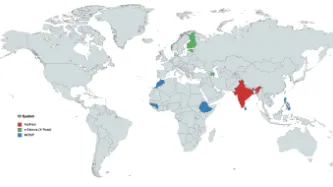
Governments around the world are increasingly making registration in national digital ID systems mandatory for populations, justifying its need on a range of issues from facilitating access to services, to national security and fighting against corruption. This is an attempt to create a "foundational identity" for an individual, or "a single source of truth" about who someone is, according to a government agency. These identity systems are run by governments, sometimes by private companies, or…
Content type: Advocacy
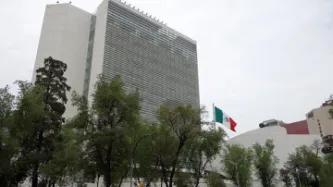
Some of the most vulnerable groups in Mexico are amongst the groups at risk from a draft General Population Law that creates a biometric “Unique Digital Identity Card” (CUID), argue civil society organisations. The proposed law has now reached the senate, and has raised serious concerns from civil society organisations. Led by our global partner in Mexico Red en Defensa de los Derechos Digitales (R3D), PI along with 25 organisations have signed a joint letter to the members of the senate,…

Content type: News & Analysis
After almost 20 years of presence of the Allied Forces in Afghanistan, the United States and the Taliban signed an agreement in February 2020 on the withdrawal of international forces from Afghanistan by May 2021. A few weeks before the final US troops were due to leave Afghanistan, the Taliban had already taken control of various main cities. They took over the capital, Kabul, on 15 August 2021, and on the same day the President of Afghanistan left the country.As seen before with regime…

Content type: Advocacy
On 6 August 2021, the World Health Organisation (WHO) published its technical specifications and implementation guidance for “Digital Documentation of COVID-19 Certificates: Vaccination Status” (DDCC:VS) following months of consultations. As governments around the world are deploying their own Covid-19 certificates, guidance from the global health agency was expected to set a global approach, and one that prioritises public health. As such, we would expect the WHO to identify what these…
Content type: Examples
In January 2021, the Indian Health Ministry officially allowed Aadhaar-based authentication when creating a UHID for identification and authentication of beneficiaries for various health IT applications promoted by the Ministry. This enabled the Co-Win portal, which is used to book COVID-19 vaccination appointments, to accept Aadhaar for authentication. As per Clause 2a of Co-Win’s privacy policy, “If you choose to use Aadhaar for vaccination, you may also choose to get a Unique Health ID…

Content type: News & Analysis
Legislation to "strengthen the integrity of UK elections and protect our democracy" through the Elections Integrity Bill was introduced to parliament this week.
This legislation will require people, for the first time in Great Britain, to show a state-issued photo ID, such as a driving license or passport, in order to exercise their right to vote, perhaps by the 2023 General Elections. The changes would affect elections in England, Scotland and Wales while voters in Northern Ireland are already…

Content type: Long Read
Este informe está disponible en español.
Most national ID or identifying documents include a gender marker. This is often known as a 'sex marker,' even though the term is inaccurate. The presence of such markers, especially on birth certificates, contribute to our society’s emphasis on gender as a criterion for assigning identities, roles and responsibilities within society. With gender being such a determining and dominant identifier, it puts it at the centre of so many arrays of our…