Your personal data can be collected by companies from many different sources and shaped into a "secret identity". This is when companies use information about you to assume your personality traits and predict your behaviour, and sell this profile onto others. But who are the companies behind this practice?
This article presents some of the tools and techniques deployed as part surveillance practices and data-driven immigration policies routinely leading to discriminatory treatment of peoplee and undermining peoples’ dignity, with a particular focus on the UK.
No Tech For Tyrants, a UK grassroots organisation, is explaining Palantir's involvement with the UK government, including their partnership with the NHS. They explore the concerns public-private partnerships between Palantir and governments raise , and what this means for our rights.
Police forces in the UK started trialing facial recognition technology in public events a few years ago, but are taking a step further in the questionable use of this extremely intrusive technology.
Unwanted Witness, our partner organisation based in Uganda, explore critical questions around Huawei's surveillance dealings with the Ugandan government raise. While Huawei's relationship with the government raises concerns for human rights, many of these concerns remain unaddressed.
Google knows so much about you, and now it wants your health data too. Read our ‘Pass Notes’ for a quick summary of the issues and then please join our campaign to stop them!
Amazon announced that they will be putting a one-year suspension on sales of its facial recognition tech to law enforcement. Here is why think there is still a long way to go.
Our relationships and interactions with governments are increasingly dependent on us providing more and more data and information about ourselves. We are seeing how this often strips people and communities of their privacy and dignity, especially those already disadvantaged, rather than empowering and helping them.
This is why we support the request of UK charities to scrap No Recourse to Public Funds policy.
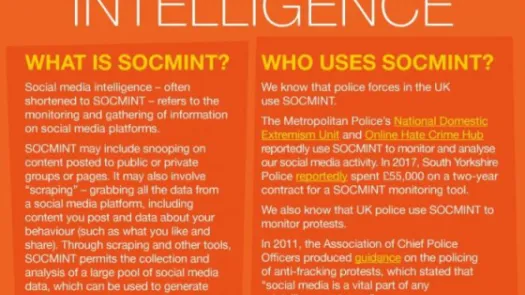
In the UK, Local Authorities (Councils) are looking at people’s social media accounts, such as Facebook, as part of their intelligence gathering and investigation tactics in areas such as council tax payments, children’s services, benefits and monitoring protests and demonstrations.
This has particular consequences and a disproportionate negative impact on certain individuals and communities.
The UK Chief Surveillance Commissioners have repeatedly raised concerns about local authorities using the internet as a surveillance tool and suggested they conduct an internal audit of the use of social media sites. Privacy International sent Freedom of Information requests to local authorities in the UK to dig deeper into what's going on.